Friday, July 17

Company Check Registration Shows Simba Chikanza As Broke

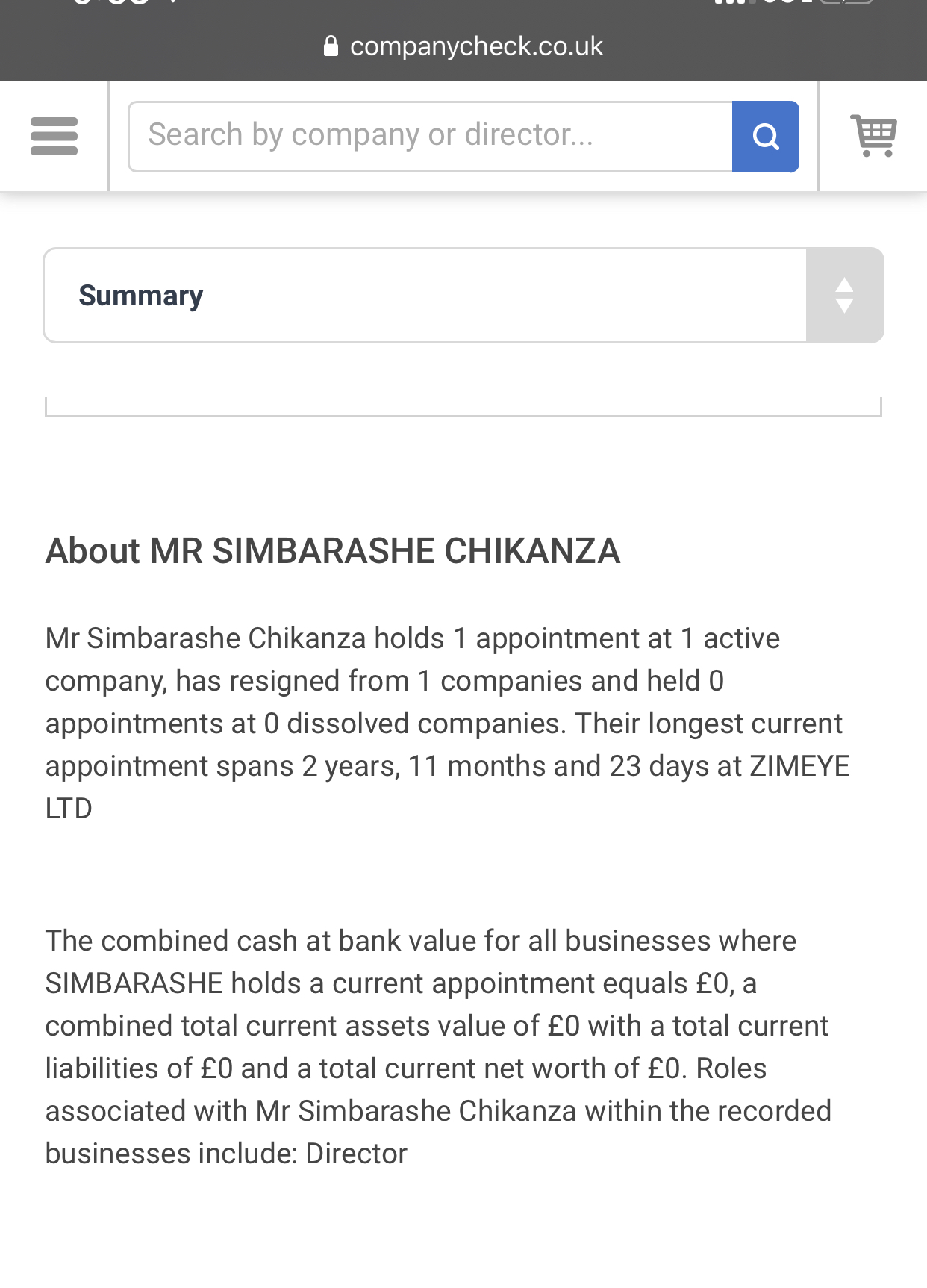
Company Check has exposed fake news reporter Simba Chikanza as being broke see their article below.


Mr Simbarashe Chikanza holds 1 appointment at 1 active company, has resigned from 1 companies and held 0 appointments at 0 dissolved companies. Their longest current appointment spans 2 years, 11 months and 23 days at ZIMEYE LTD

The combined cash at bank value for all businesses where SIMBARASHE holds a current appointment equals £0, a combined total current assets value of £0 with a total current liabilities of £0 and a total current net worth of £0. Roles associated with Mr Simbarashe Chikanza within the recorded businesses include: Director

  • Share:

Info News

CRM Software for Small Business: Feature Comparison Guide

Customer relationship management software, usually called CRM, helps businesses organize leads, customers, sales opportunities, follow-ups, notes, tasks, emails, and reporting. For a small business, the right CRM can prevent missed opportunities and make customer communication more consistent. The wrong CRM can become an expensive database nobody uses.

Start with the problem you want to solve. Some businesses need a simple contact manager. Others need sales pipeline tracking, email marketing, appointment scheduling, quotes, customer service tickets, or automation. A real estate office, insurance agency, law firm, contractor, online store, and consulting company may all use CRM differently.

Contact management is the foundation. A CRM should store names, companies, phone numbers, emails, addresses, tags, notes, documents, communication history, and custom fields. The system should make it easy to search, segment, and update contacts. If importing contacts from spreadsheets is difficult, adoption will suffer.

Pipeline management is important for sales teams. A pipeline shows where each opportunity stands, such as new lead, contacted, proposal sent, negotiation, won, or lost. Good pipeline views help owners see expected revenue, stuck deals, follow-up tasks, and sales performance. Custom pipeline stages are helpful because every business sells differently.

Automation can save time, but it should be used carefully. Common automations include lead assignment, follow-up reminders, welcome emails, task creation, quote reminders, and customer check-ins. Too much automation can feel impersonal or create mistakes if data is messy. Start with simple workflows that support real customer service.

Integrations matter. Many businesses want CRM to connect with email, calendars, website forms, phone systems, accounting software, e-commerce platforms, marketing tools, and help desk software. Before buying, verify whether integrations are native, third-party, or require custom development. Also ask whether integrations are included in the plan or cost extra.

Reporting should support decisions. Useful CRM reports may show leads by source, conversion rate, sales by rep, average deal size, follow-up activity, customer lifetime value, lost deal reasons, and forecast revenue. Reports are only valuable if employees enter accurate information. Keep required fields simple enough that staff will use the system.

Pricing can be confusing. Some CRM platforms charge per user per month. Others charge based on contacts, features, email volume, automation, storage, or support. A low starting price can rise quickly when advanced features are needed. Ask for the total cost at your current size and your expected size one year from now.

Ease of use may be more important than advanced features. A CRM that is slightly less powerful but easy for staff to use can outperform a complex system that employees avoid. Request a trial and ask real users to test daily tasks: adding a contact, logging a call, creating a deal, scheduling a follow-up, sending an email, and running a report.

Data ownership and export options are critical. Before signing, ask whether you can export contacts, notes, deals, tasks, and files if you leave. Vendor lock-in can be painful if data cannot be moved cleanly.

Security should not be ignored. CRM systems often store customer information, contracts, pricing, and communication history. Use role-based access, multifactor authentication, strong passwords, audit logs, and employee offboarding procedures. Limit access to sensitive records where appropriate.

Implementation planning makes the difference. Clean old spreadsheets before importing. Define required fields, pipeline stages, naming rules, and user permissions. Train employees on the exact workflows they need. Review adoption after 30, 60, and 90 days.

A CRM should help a small business build stronger relationships and close more sales. Choose based on workflow fit, ease of use, integrations, reporting, security, and total cost. The best CRM is the one your team will actually use every day.


Commercial Solar Energy Investment Guide: How Businesses Profit from Clean Energy

Commercial solar energy has moved from a niche option to a mainstream investment strategy for businesses looking to reduce costs and improve sustainability. With rising electricity prices and increasing demand for clean energy, companies are turning to commercial solar energy systems as a way to generate their own power and control long-term expenses. Beyond cost savings, solar investments can also enhance brand reputation and support environmental goals.

For investors and business owners, understanding how solar energy investments work is essential for maximizing returns. From installation and financing to long-term savings, commercial solar projects offer both financial and operational benefits when approached strategically.

What Is Commercial Solar Energy?

Commercial solar energy refers to the use of solar panels and related systems by businesses, organizations, and institutions to generate electricity. Unlike residential systems, commercial installations are typically larger and designed to meet higher energy demands.

These systems can be installed on rooftops, parking structures, or open land. The electricity generated can be used directly by the business, reducing reliance on the grid, or in some cases sold back to the utility provider.

Why Businesses Are Investing in Solar Energy

One of the main reasons companies invest in solar energy is cost savings. By generating their own electricity, businesses can significantly reduce monthly energy bills. Over time, these savings can offset the initial investment and provide long-term financial benefits.

Another key factor is energy independence. Solar systems allow businesses to reduce their reliance on external energy sources, protecting them from price fluctuations and supply disruptions.

Sustainability is also a major driver. Many companies are adopting renewable energy solutions to meet environmental goals and appeal to environmentally conscious customers.

How Commercial Solar Investments Work

The process of investing in commercial solar energy typically involves several steps. First, a feasibility study is conducted to assess the property’s suitability for solar installation. This includes evaluating roof space, energy consumption, and sunlight exposure.

Next, the system is designed and installed by professionals. Once operational, the system begins generating electricity, reducing the business’s reliance on traditional power sources.

Businesses can choose to purchase the system outright or use financing options such as leases or power purchase agreements (PPAs). These options allow companies to benefit from solar energy without significant upfront costs.

Financial Benefits of Solar Energy

Commercial solar investments offer multiple financial advantages. In addition to reducing energy costs, businesses may qualify for tax incentives and rebates that lower the overall cost of installation.

Over time, solar systems can provide a strong return on investment through energy savings and potential revenue from selling excess power. The predictable cost of solar energy also makes it easier for businesses to plan their budgets.

Key Factors to Consider Before Investing

Before investing in commercial solar energy, businesses should evaluate several important factors:

Initial Investment: While costs have decreased, installation still requires upfront capital or financing.
Location: Areas with high sunlight exposure offer better energy generation potential.
Energy Usage: Businesses with high energy consumption benefit the most from solar systems.
System Maintenance: Regular maintenance ensures optimal performance and longevity.

Careful planning and analysis help maximize the benefits of solar investments.

Common Challenges and How to Overcome Them

One of the main challenges of solar investment is the initial cost. However, financing options and incentives can make projects more accessible.

Another challenge is navigating regulations and permits. Working with experienced professionals can simplify this process and ensure compliance.

Weather and environmental factors can also affect energy production. Proper system design and location analysis help mitigate these risks.

The Role of Technology in Solar Energy

Advancements in technology have made solar energy more efficient and affordable. Modern solar panels generate more electricity with less space, while battery storage systems allow businesses to store excess energy for later use.

Smart energy management systems also enable businesses to monitor and optimize their energy usage in real time, improving overall efficiency.

Future Trends in Commercial Solar Energy

The future of commercial solar energy looks promising. As technology continues to improve, costs are expected to decrease further, making solar more accessible to businesses of all sizes.

Integration with other renewable technologies, such as wind and energy storage, will create more comprehensive energy solutions. Businesses that invest early in solar energy are likely to gain a competitive advantage.

How to Get Started

Starting a commercial solar project begins with research and planning. Businesses should consult with solar energy experts to evaluate their needs and determine the best system for their operations.

Obtaining multiple quotes and comparing options helps ensure the best value. Partnering with reputable providers ensures a smooth installation process and reliable performance.

Final Thoughts

Commercial solar energy investment offers a powerful combination of cost savings, sustainability, and long-term growth. By reducing energy expenses and supporting environmental goals, solar systems provide both financial and strategic benefits.

With the right approach, businesses can turn solar energy into a valuable asset that drives efficiency and profitability. As the demand for clean energy continues to grow, investing in solar is not just a smart choice—it’s a forward-looking strategy for success.


Energy experts recommend working with certified solar installers, licensed energy consultants, and reputable renewable energy providers to ensure efficient system design, compliance, and maximum return on investment.