Sunday, July 19

MDC Secretary-General Chalton Hwende Tsvangirai’s MDC Has Left MDC Alliance

THE MDC-T which was founded by the later veteran trade unionist Morgan Tsvangirai pulled out of the MDC Alliance in 2018, MDC Secretary-General Chalton Hwende has revealed.

Said Hwende, “The MDC of Tsvangirai pulled out and went with Khupe, contested election and got voted by 45,000 I even stood with an MDC-T candidate in 2018.”
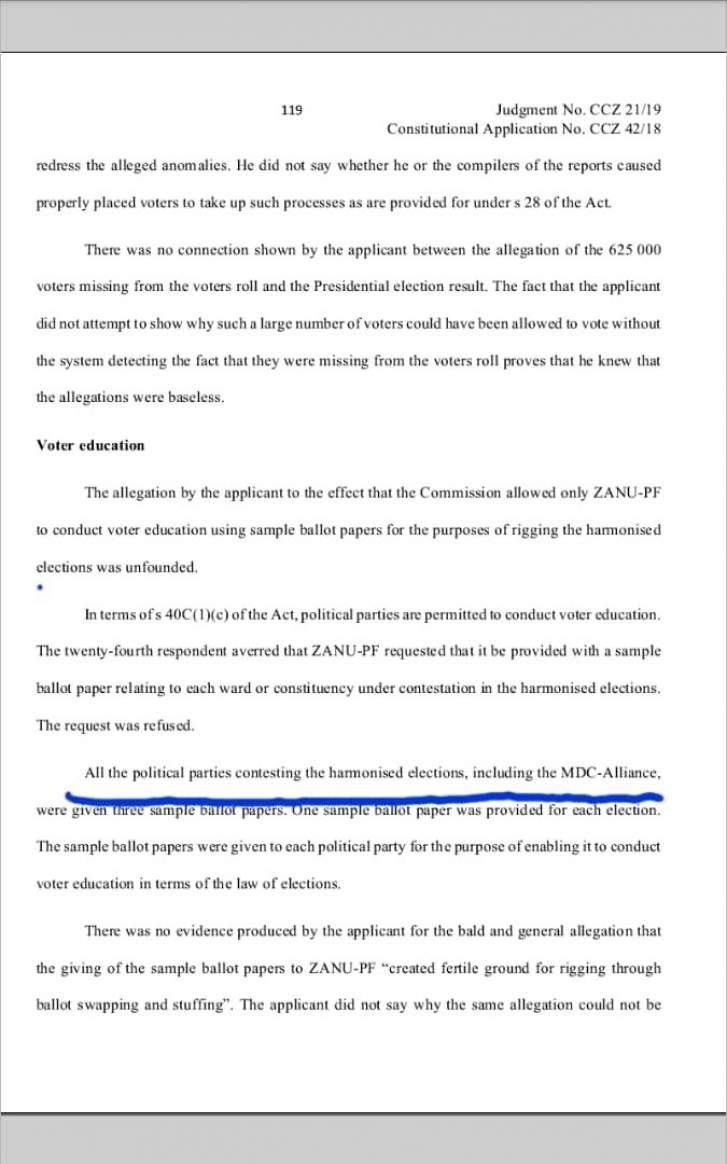
Hwende said MDC Alliance was a new political party that was formed to contest the 2018 national plebiscite.

“The MDC Alliance, the political party we formed to contest the 2018 Elections was even recognized by the Constitutional Court as a political party. Read for yourself this judgment No CCZ 21/19.”

Hwende’s statement sought to justify that the MDC he is part of is not the one that the Supreme Court ordered to convene a special congress to elect a substantive leader to replace the late Tsvangirai.

The court recently ordered that the appointment of Chamisa as leader of the then MDC-T was against the party constitution.

  • Share:

Info News

Best Car Insurance Quotes for 2026

Finding the best car insurance quotes in 2026 is about more than just picking the lowest monthly payment. The right policy should balance price, coverage, customer service, and claims handling so you are protected when it matters most.
Car insurance costs continue to vary widely based on your age, driving record, location, vehicle type, and coverage level. That means two people with similar cars can still receive very different quotes. Because of that, comparing multiple insurers is one of the smartest ways to save money.
One of the first things to understand is the difference between liability coverage, collision coverage, and comprehensive coverage. Liability helps pay for damage or injuries you cause to others, while collision and comprehensive help protect your own vehicle. If your car is newer or financed, full coverage may make sense, but if it is older, you may want to reassess whether you are paying for protection you no longer need.
To get better quotes, start by reviewing your current policy and identifying areas where you may be overpaying. Raising your deductible can lower your premium, although it also increases your out-of-pocket cost after an accident. Bundling auto insurance with home or renters insurance can also create meaningful savings with many providers.
It is also worth checking for discounts. Good driver discounts, low-mileage discounts, safe vehicle discounts, and telematics programs can all reduce your premium. Some insurers also give better rates to drivers who complete defensive driving courses or maintain continuous coverage without lapses.
When comparing quotes, do not focus only on price. Look at how quickly each company settles claims, how easy it is to file a claim, and whether customer support is available when you need it. A policy that looks cheaper at first can become expensive if the company makes the claims process frustrating.
The best approach is to collect several quotes, compare the details side by side, and choose the policy that offers the strongest mix of price and protection. In most cases, the driver who compares carefully ends up with better coverage and a lower annual cost.

Homeowners Insurance: What Your Policy May Not Cover

Homeowners insurance protects one of your biggest investments, but many people do not fully understand what their policy covers. They only find out after damage happens, and by then it may be too late.

A standard homeowners insurance policy may cover damage from fire, wind, theft, vandalism, certain water damage, and liability claims. It may also help pay for temporary housing if your home becomes unlivable after a covered event.

However, there are important exclusions. Many standard policies do not cover flood damage. If you live in an area with flood risk, you may need separate flood insurance.

Earthquake damage is also usually excluded unless you buy additional coverage. Sewer backups, mold, termite damage, wear and tear, and maintenance problems may also be limited or excluded.

Another important issue is replacement cost versus actual cash value. Replacement cost coverage may pay to replace damaged property with new items. Actual cash value coverage subtracts depreciation, which can result in a lower payout.

Your policy limits matter. If your home has increased in value or construction costs have gone up, your old coverage may not be enough to rebuild. You should review your policy regularly to make sure the dwelling coverage is accurate.

Personal property coverage also has limits. Expensive jewelry, electronics, art, firearms, or collectibles may require additional coverage.

Liability protection is another important part of homeowners insurance. If someone is injured on your property, liability coverage may help pay legal costs or damages.

To avoid surprises, review your declarations page, exclusions, deductibles, and coverage limits. Ask your insurance agent what is not covered and whether you need additional protection.

Homeowners insurance is not just a bill. It is financial protection for your house, belongings, and future. Understanding your policy before disaster strikes can save you from major financial stress.