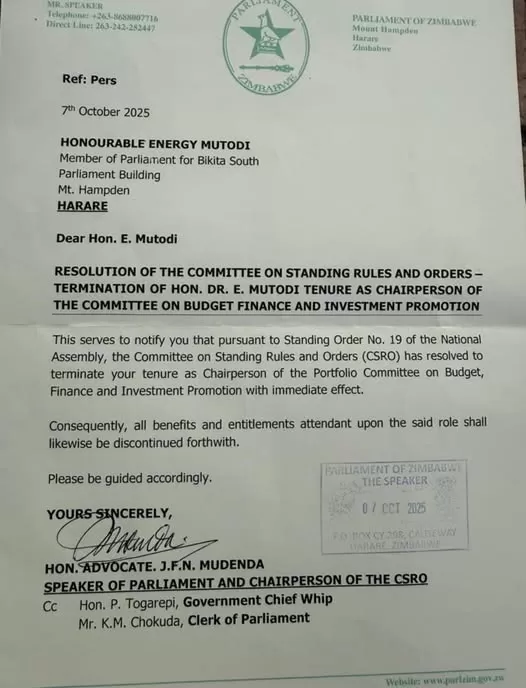
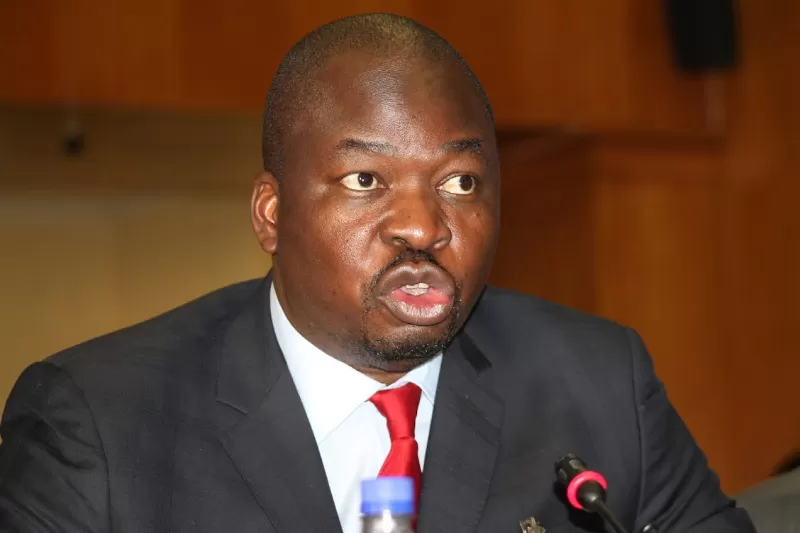
They’ve fired Energy Mutodi as Chairperson of the Budget Committee for tweeting allegations in respect of alleged malpractices in the Ministry of Finance.
GUVAMATANGA $1B KICKBACK SCANDAL!
Parliament has been rocked by explosive allegations that Permanent Secretary in the Ministry of Finance, George Guvamatanga, notoriously known as GG, has been siphoning off 5–10% kickbacks from Treasury payments — a scheme that has allegedly made him the richest civil servant in Zimbabwe.
Speaking in Parliament, Energy Mutodi revealed that ministries, departments, and contractors who refuse to pay GG his “commission” have reportedly been denied their rightful payments for months, even when funds were fully budgeted.
“Parliament itself has struggled to operate over the past six months because George Guvamatanga has blocked our budgeted funds,” Mutodi told MPs, sending shockwaves through the House.
Sources say GG, officially earning less than $1,000 a month, now boasts over 5,000 dairy cattle, extensive dairy equipment, and several luxury mansions, prompting calls for a lifestyle audit.
One contractor, Bitumen, responsible for roadworks, claims GG demanded US$200,000 in kickbacks for every US$2 million payment he authorized weekly a practice they say has forced them to lodge repeated complaints with Parliament’s Budget Committee.
The scandal raises urgent questions about financial governance in Zimbabwe’s Treasury, with MPs demanding accountability and transparency over what appears to be a multi-million-dollar corruption scheme at the heart of government.
The burning question now: How did a civil servant earning less than $1,000 a month amass over $1 billion in illicit wealth?
Info News
Vehicle Ownership Insight
Owning and maintaining a vehicle involves more than just daily use. From insurance coverage to repair costs and financing, smart decisions can save money over time.
Keywords like “best auto insurance rates” and “car financing options” attract high CPC traffic. Staying informed helps reduce long-term expenses.
Divorce Attorney for Asset Protection
Divorce is not only emotional; it can also be financially complicated. Property, retirement accounts, business interests, debts, and custody issues can all affect your future. A divorce attorney can help protect your rights during the process.
A divorce lawyer helps clients understand property division, spousal support, child support, custody, and settlement agreements. Without legal guidance, one spouse may accept an unfair deal or overlook important assets.
Why Asset Protection Matters
Asset protection is especially important when couples own a home, business, investment accounts, retirement funds, or valuable personal property. A high asset divorce attorney can help identify marital property, separate property, hidden assets, and shared debts.
Divorce settlements should be reviewed carefully before signing. Once an agreement is approved, it may be difficult to change.
Custody and Support Issues
When children are involved, a divorce attorney can also help with custody schedules, visitation, child support, and decision-making rights. These issues can affect both finances and family stability.
Conclusion
Hiring a divorce attorney can help protect your assets, avoid costly mistakes, and create a clearer path forward.


