Wednesday, October 14

They wound me and broke my windscreen.”- Ijoba Danny Alleges Attack Near Fela Shrine Over Support for Tinubu And APC

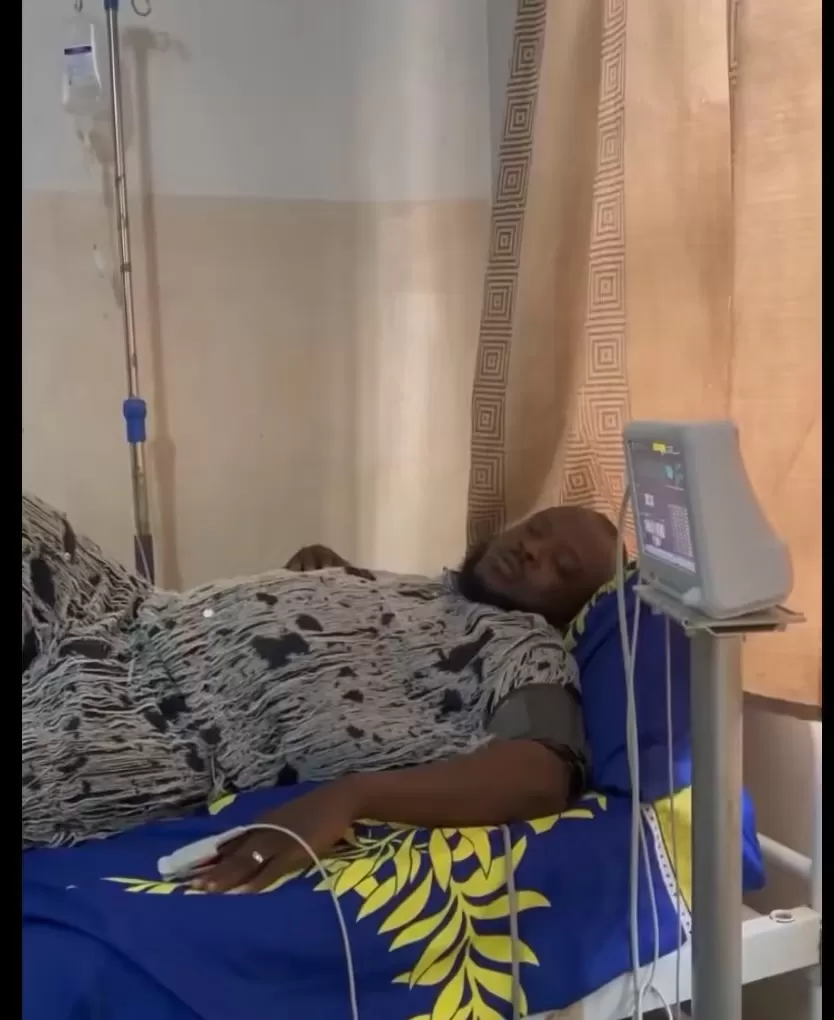
Nigerian music promoter Ijoba Danny has alleged that he was attacked by a group of unidentified boys on the streets near Fela Shrine, reportedly due to his political stance.

In a statement circulating on social media, Ijoba Danny claimed the incident occurred shortly after he openly expressed support for the ruling party and President Bola Ahmed Tinubu ahead of the 2027 elections.

“I was a77ack3d yesterday on the street of Fela Shrine by some boys just because I was supporting APC and Tinubu 2027. They wound me and broke my windscreen.”

According to him, the attack left him injured and caused damage to his vehicle, particularly his windscreen. Details surrounding the exact circumstances of the incident remain unclear, and the identities of the alleged attackers have not been confirmed.

The claim has since generated reactions online, with many Nigerians expressing concern over rising political tensions and the safety of individuals expressing their views publicly.

  • Share:

Info News

Cloud Backup for Small Business: Ransomware Protection Guide

Small businesses depend on data to operate. Customer records, invoices, payroll files, email, accounting systems, photos, contracts, point-of-sale data, and shared documents can be just as important as physical inventory. When data disappears because of ransomware, hardware failure, theft, fire, accidental deletion, or a cloud account mistake, business can stop immediately. Cloud backup helps reduce that risk.

Cloud backup is a process that copies data from computers, servers, applications, or cloud platforms to secure off-site storage. The goal is simple: if the original data is lost or damaged, the business can restore a clean copy. Good backup planning is not just about storage; it is about recovery.

Ransomware is one of the biggest reasons small businesses review backup strategy. Criminals may encrypt files and demand payment for a decryption key. If backups are connected to the same network and can be deleted or encrypted, they may not help. Strong backup systems use separation, access controls, retention, versioning, and sometimes immutable storage to prevent attackers from destroying recovery points.

Hardware failure is another common risk. A server drive can fail, a laptop can be dropped, a desktop can crash, or a storage device can stop working. If files are only stored on one machine, one failure can become a crisis. Cloud backup creates an off-site copy that is not dependent on the same hardware.

Accidental deletion may be the most ordinary but frequent problem. Employees may overwrite spreadsheets, delete folders, remove email, or sync bad changes across devices. Version history and point-in-time restore can help recover earlier copies.

A strong backup plan starts with identifying critical data. List servers, desktops, laptops, accounting systems, email, cloud drives, databases, websites, and line-of-business applications. Then decide how often each system must be backed up. A business that enters orders all day may need frequent backups. A file archive may only need daily backup.

Two recovery metrics matter: recovery point objective and recovery time objective. Recovery point objective asks how much data the business can afford to lose. Recovery time objective asks how fast systems need to be restored. These numbers guide the backup frequency, storage type, and service level.

Small businesses should also test restores. A backup that has never been tested is only a hope. Schedule periodic restore tests for files, folders, email, and critical applications. Document the steps and who is responsible. Testing can reveal missing data, slow recovery, password issues, or misunderstood vendor processes.

Security is essential. Backup accounts should use multifactor authentication, role-based access, strong passwords, and limited administrator rights. Backup logs should be reviewed. Alerts should notify the business if backups fail. Encryption should protect data in transit and at rest.

Cloud backup is different from file sync. Services that sync files across devices are convenient, but they may also sync deletions, corruption, or ransomware-encrypted files. Sync can be part of productivity, but it should not be the only backup strategy.

When comparing providers, ask these questions: What platforms are supported? How often are backups taken? How long are versions retained? Is storage immutable? How fast can data be restored? Are full system images supported? Are cloud applications like Microsoft 365 or Google Workspace backed up? Is support available during an emergency? Are restore tests included?

Costs vary based on data volume, number of devices, retention period, support level, and disaster recovery features. The cheapest plan may only back up files, while a more advanced plan may include server imaging, virtualization, and rapid recovery.

Cloud backup protects more than files. It protects revenue, reputation, customer trust, and business continuity. The best time to build a backup plan is before an outage. Once data is encrypted or deleted, options become limited. A tested backup system can turn a disaster into a manageable recovery.

Affordable GLP-1 Weight Loss Programs Near Me Without Insurance: Complete 2026 Guide

Searches for affordable GLP-1 weight loss programs near me without insurance are skyrocketing across the United States. As obesity rates continue rising and prescription medication prices remain painfully high, millions of Americans are searching for cheaper alternatives to Ozempic and Wegovy.

The reality is simple. Most people cannot afford to spend over $1,000 every month on weight loss medication.

Fortunately, new telehealth clinics and medical weight loss programs are making GLP-1 treatments more accessible than ever before.

This guide explains how to find affordable GLP-1 programs, what to expect, and how to avoid wasting money on unsafe providers.

Why GLP-1 Weight Loss Programs Became So Popular

GLP-1 medications exploded in popularity because they help address one of the hardest parts of weight loss: constant hunger.

Unlike traditional diets that rely entirely on willpower, GLP-1 medications work with your body’s appetite system.

Many users experience:

  • Reduced cravings

  • Smaller portion sizes

  • Faster fullness

  • Better blood sugar control

  • Steady long-term fat loss

That combination made medications like semaglutide and tirzepatide some of the most talked-about treatments in modern healthcare.

Best Affordable GLP-1 Programs Without Insurance

Online Telehealth Weight Loss Clinics

Telehealth providers have become one of the cheapest ways to access GLP-1 treatment.

Benefits include:

  • No in-person office visits

  • Convenient online appointments

  • Prescription delivery to your home

  • Flexible payment options

  • Lower monthly pricing

Many telehealth companies now offer compounded semaglutide programs for hundreds less than traditional pharmacies.

This has completely changed the market for uninsured patients.

Local Medical Weight Loss Clinics

Many local clinics now offer:

  • Weekly injections

  • Weight tracking

  • Body composition scans

  • Nutrition counseling

  • Personalized treatment plans

Local clinics may provide more hands-on support compared to online-only providers.

However, pricing varies significantly depending on location and medication supply.

What Is Compounded Semaglutide?

Compounded semaglutide is often discussed as a lower-cost alternative to brand-name GLP-1 medications.

Compounding pharmacies prepare customized medications based on prescriptions from licensed healthcare providers.

Potential advantages include:

  • Lower monthly costs

  • Flexible dosing

  • Improved availability during shortages

Patients should always verify:

  • Pharmacy licensing

  • Medical oversight

  • Transparent ingredient sourcing

Safety should always come before price.

How Much Do GLP-1 Programs Cost Without Insurance?

Pricing depends on:

  • Medication type

  • Dosage strength

  • Clinic support services

  • Lab testing requirements

Average monthly estimates:

  • Basic telehealth programs: $199–$350

  • Comprehensive coaching programs: $350–$600

  • Brand-name retail medications: $900–$1,500+

For uninsured patients, compounded medication programs often provide the best value.

Can You Qualify for a GLP-1 Program?

Many programs evaluate:

  • BMI

  • Weight history

  • Blood sugar levels

  • Existing medical conditions

  • Previous diet attempts

Some patients may also qualify if they have conditions such as:

  • Prediabetes

  • Type 2 diabetes

  • High blood pressure

  • Sleep apnea

Medical eligibility varies by provider.

What Results Can You Expect?

Weight loss results vary, but many users report:

First Month

  • Reduced appetite

  • Less snacking

  • Initial weight loss

Three to Six Months

  • Significant body fat reduction

  • Better energy levels

  • Improved mobility

Long-Term

  • Sustainable weight management

  • Better metabolic health

  • Improved confidence

The most successful patients combine medication with healthier eating and physical activity.

How to Choose the Best GLP-1 Program

Before joining a program, ask these questions:

Is There Real Medical Supervision?

Avoid programs that skip medical evaluations.

Are Prices Transparent?

Hidden fees are common in aggressive online advertising.

Does the Program Include Support?

Coaching and follow-up care improve long-term success.

Is the Pharmacy Legitimate?

Only use programs connected to licensed pharmacies.

Are Reviews Genuine?

Research independent reviews and patient experiences carefully.

Common Side Effects

Possible side effects may include:

  • Nausea

  • Vomiting

  • Constipation

  • Fatigue

  • Bloating

Most symptoms improve gradually over time.

Patients should always follow dosing instructions carefully and communicate with healthcare providers about any concerns.

Why So Many People Are Switching to Telehealth

Traditional healthcare often involves:

  • Long appointment wait times

  • Insurance headaches

  • Expensive specialist visits

  • Limited medication access

Telehealth programs simplified the process.

Patients can now:

  • Complete consultations online

  • Receive prescriptions remotely

  • Track progress digitally

  • Access nationwide providers

This convenience helped fuel the rapid growth of online GLP-1 weight loss programs.

The Future of Affordable Weight Loss Treatment

The demand for affordable obesity treatment continues growing rapidly.

As competition increases among telehealth providers and compounded medication programs, pricing may continue becoming more competitive for uninsured patients.

For many people, GLP-1 treatment is no longer viewed as luxury healthcare. It is becoming part of mainstream medical weight management.

Final Thoughts

Finding affordable GLP-1 weight loss programs near you without insurance is possible with careful research and realistic expectations.

The best programs focus on:

  • Medical safety

  • Long-term support

  • Transparent pricing

  • Sustainable lifestyle changes

Weight loss is not just about appearance. It affects energy, mobility, confidence, and long-term health.

For many Americans struggling with obesity and rising healthcare costs, GLP-1 programs may offer a practical path toward lasting results without depending on insurance coverage.