
Thursday, September 10

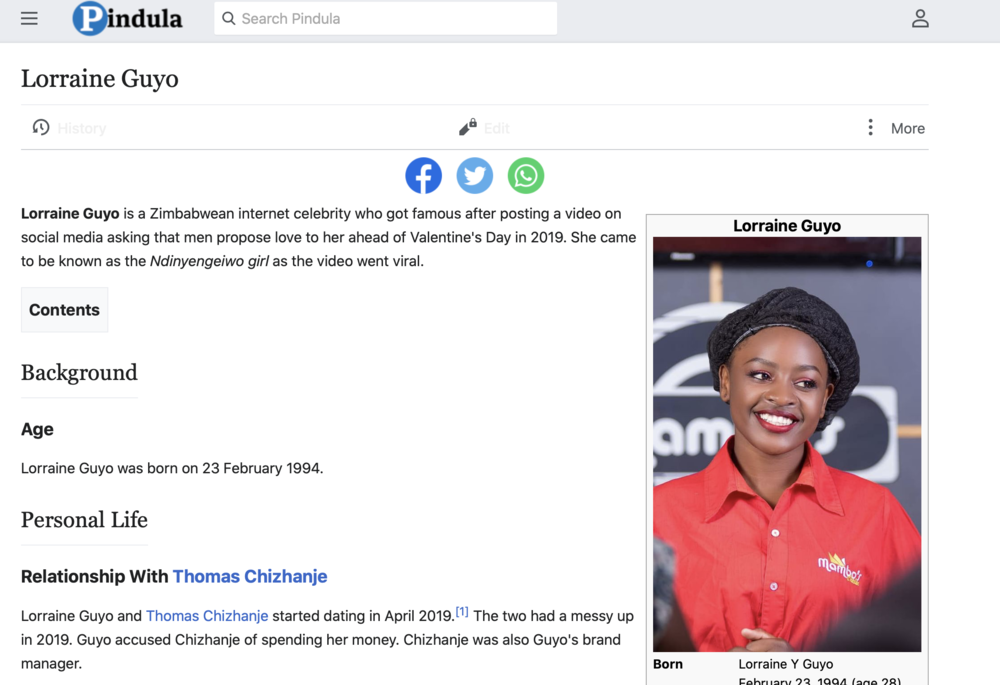
Pindula Zimbabwe Confirms Lorraine Guyos Real Age 29yrs Born 23 February 1994

Lorraine Guyo is a Zimbabwean internet celebrity who got famous after posting a video on social media asking that men propose love to her ahead of Valentine's Day in 2019. She came to be known as the Ndinyengeiwo girl as the video went viral.

  • Share:

Info News

Mesothelioma and Asbestos Exposure: A Serious Health Concern

Mesothelioma is a rare but aggressive cancer caused by exposure to asbestos, a material once widely used in construction and manufacturing. Many workers unknowingly inhaled asbestos fibers, which can remain in the body for decades before symptoms appear. This delayed onset makes early detection difficult and highlights the importance of awareness.


Those diagnosed often face complex medical and legal challenges. Treatment options can be costly, and many individuals pursue legal action against responsible companies. Understanding the risks of asbestos exposure and seeking specialized care can make a significant difference in managing this life-altering condition.


Business VoIP Phone Systems: Buyer Checklist

Business phone systems have changed. Many companies are replacing traditional phone lines with Voice over Internet Protocol, or VoIP. A business VoIP system uses an internet connection to make and receive calls. It can support desk phones, mobile apps, desktop apps, voicemail-to-email, call routing, video meetings, texting, and reporting. But not every VoIP system is equal, and the cheapest monthly price may not deliver the reliability a business needs.

Start with call quality and internet readiness. VoIP depends on bandwidth, latency, jitter, packet loss, firewall configuration, and network design. A business with unreliable internet should not move phones to VoIP without backup connectivity. Some companies use dual internet providers, cellular backup, quality of service settings, and network monitoring to protect voice traffic.

Hosted PBX systems are popular because the phone platform is managed in the cloud. The provider handles much of the infrastructure, updates, and call routing. Businesses usually pay per user per month. This can reduce the need for onsite phone equipment and make remote work easier.

Important features include auto attendants, ring groups, call queues, call recording, voicemail transcription, business texting, mobile apps, call forwarding, conference calling, direct inward dialing numbers, eFax, paging, emergency calling, and analytics. Not every business needs every feature. A medical office, bank, law firm, school, restaurant, and sales team may have very different call flows.

Reliability should be a top priority. Ask vendors about uptime history, data centers, failover, disaster recovery, emergency routing, and what happens if the internet goes down. Can calls automatically forward to cell phones? Can staff use a mobile app? Does the system support backup internet? How fast can support reroute numbers during an outage?

Pricing can include more than the advertised user rate. Watch for charges for desk phones, installation, number porting, taxes, regulatory fees, call recording storage, contact center features, toll-free minutes, international calling, SMS, integrations, training, and onsite support. Ask for a full first-year and recurring cost estimate.

Number porting is another important step. Moving phone numbers from the old carrier to the new provider can take time. Do not cancel old service until porting is complete. Verify all numbers, including fax lines, alarm lines, elevator lines, credit card terminals, and backup lines. Some non-voice lines may not be suitable for VoIP without special planning.

Security matters. VoIP accounts can be targeted for toll fraud, voicemail attacks, phishing, and unauthorized access. Use strong passwords, multifactor authentication where available, role-based permissions, call restrictions, international dialing controls, and account alerts. Ask how the vendor protects admin portals and detects unusual call patterns.

Integrations can add value. Some VoIP systems connect with customer relationship management software, help desk platforms, Microsoft Teams, Google Workspace, call center tools, and analytics dashboards. Integrations are useful only if they match real workflows. Avoid paying for features employees will not use.

Before selecting a system, map your call flow. Write down main numbers, departments, extensions, after-hours routing, holiday schedules, emergency contacts, voicemail boxes, fax needs, call recording requirements, and reporting needs. This makes vendor demos more productive.

Ask each vendor: What is included per user? What costs extra? Are phones leased or purchased? Is support domestic or offshore? What is the contract term? What happens if we cancel? How are emergency calls handled? How do you support remote users? Can we test call quality before signing? Do you provide training?

A business VoIP system should improve communication, not create confusion. The right choice balances cost, reliability, support, security, and features. A careful buyer checklist can prevent surprises after the phones go live.